Why Modern Marketing Feels Tiring, Even When It's "Good"
Every day, the human brain wakes up into noise. Notifications arrive before breakfast. Messages stack up. Content competes for space, urgency, and reaction. Individually, none of this feels overwhelming. Collectively, it creates a quiet fatigue we rarely talk about.
People are not less curious than before. They are less available. Not because they don't care. But because their nervous systems are already carrying too much. They scroll faster. They forget sooner. They hesitate to trust.
This isn't a creativity problem. It's a biological one. The brain is designed to protect itself. When attention feels pressured or manipulated, it doesn't argue. It withdraws.
This is the hidden fracture inside modern marketing. And this is where consent-based attention begins.
Attention Is Not a Resource. It's a Relationship.
Traditional marketing treats attention like fuel. Something to capture. Something to interrupt. Something to optimise. Measured in clicks, impressions, and reach.
But neuroscience tells a different story. Attention is not mechanical. It is relational. Before the brain gives attention, it asks a silent question: Is this safe?
This question is processed instantly, beneath conscious thought. Long before logic. Long before evaluation. The limbic system, particularly the amygdala, continuously scans for signals of safety or threat. If communication feels rushed, aggressive, or emotionally inconsistent, attention collapses. If it feels calm, familiar, and coherent, attention opens.
This is not a preference. It is survival. Consent-Based Attention begins by respecting this biological reality.
How the Brain Decides What to Trust
Trust is not a decision. It is a sensation. Several systems work together quietly:
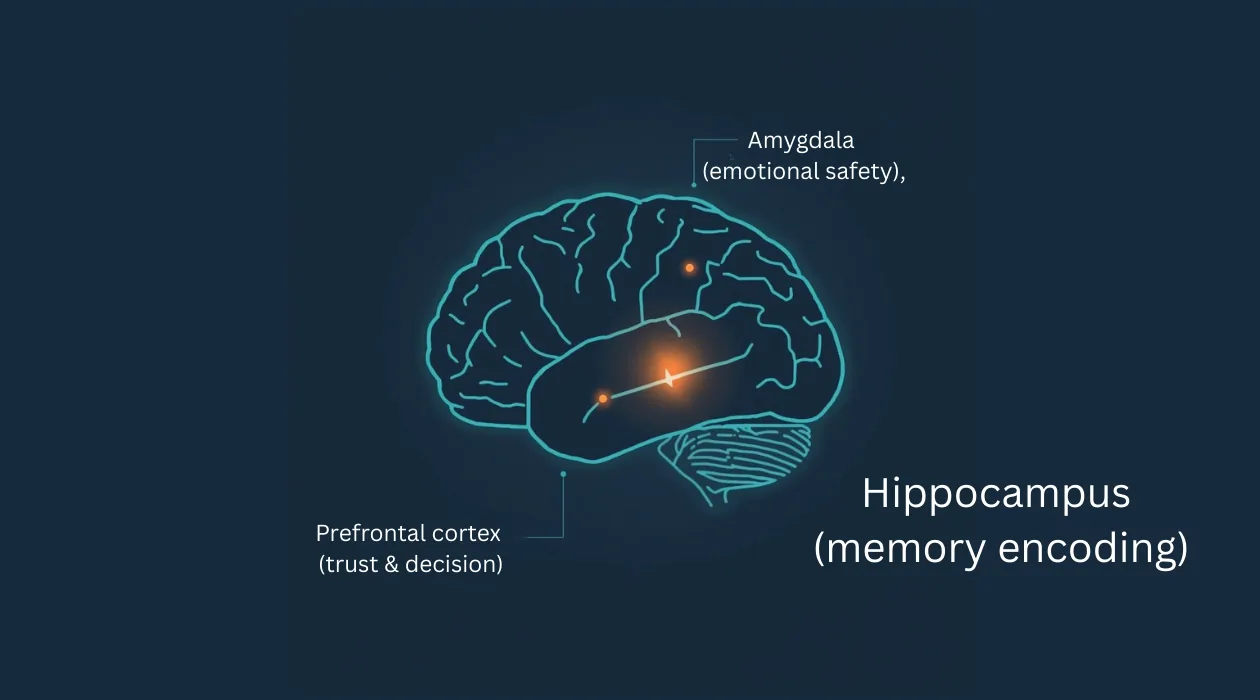
- The amygdala evaluates emotional safety
- The hippocampus encodes experience into memory
- The prefrontal cortex forms conscious judgment later
This order matters. When communication feels pressured, the nervous system stays alert. When it feels predictable and consistent, the nervous system relaxes.
This is part of what neuroscience calls predictive coding. The brain prefers experiences that match expectations. The research base on predictive coding and trust is growing steadily, and its implications for brand communication are significant. When what a brand says aligns with what it does, repeatedly and reliably, trust forms without persuasion.
This is why trust rarely comes from clever messaging. It comes from repetition with integrity.
Why the Attention Economy Is Failing the Human Brain
The modern attention economy is built on stimulation. Urgency. Scarcity. Dopamine loops. Everything designed to provoke reaction.
But the brain was never designed for constant stimulation. It was designed for rhythm. When stimulation becomes relentless, the brain adapts by filtering harder. Attention narrows. Memory weakens. Scepticism increases.
This is why so much content today feels invisible, even when it is technically "good." The brain is not bored. It is overwhelmed.
Consent-based attention does not fight this reality. It works with it.
The Nervous System Cost of Modern Marketing
Most marketing conversations focus on performance. Very few talk about cost.
But the nervous system registers every interaction, even when we don't. Urgency-driven messaging can spike short-term response. It often activates cortisol, the brain's stress hormone. Cortisol narrows attention. It accelerates the reaction. And it quietly disrupts memory formation.
This is why pressure-based marketing often converts once, but rarely builds loyalty. Over time, repeated exposure to artificial urgency creates emotional debt. People may not complain. They may not unsubscribe. However, their nervous system learns to maintain a distance.
This is why audiences emotionally ghost brands. Not because the brand failed logically. But because it exhausted them biologically.
Consent-based attention addresses this at the root. Instead of stimulating the nervous system, it regulates it. Instead of chasing arousal, it builds familiarity. Instead of pressure, it offers predictability.
This does not weaken marketing. It strengthens memory. Because the hippocampus encodes experiences more effectively when the nervous system feels calm. And calm is the foundation of trust.
From Captured Attention to Invited Attention
Most marketing falls into two familiar patterns:
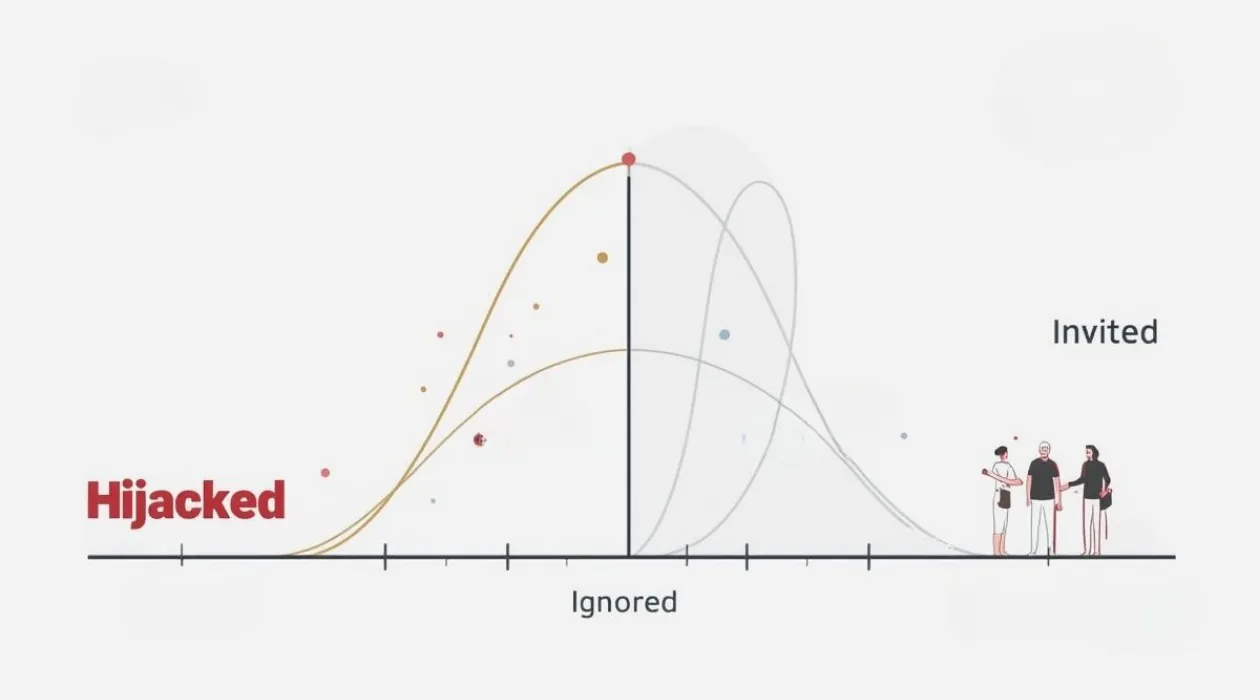
- Hijacked attention: pressure-driven, manipulative, short-lived
- Ignored attention: clear but emotionally empty
Consent-based attention introduces a third path: invited attention.
Invited attention happens when people choose to engage. Not because they are rushed. Not because they are tricked. But because their nervous system feels safe enough to stay.
This kind of attention lasts longer. It encodes memory. It builds trust instead of resistance. And it does not exhaust the audience.
Why Clarity Alone Is No Longer Enough
Clarity helps the mind understand. It does not help the brain remember.
Memory is emotional. The hippocampus stores experiences that feel meaningful, not merely logical. This is why many brands sound right but remain forgettable. Their messaging makes sense. But it leaves no emotional trace.
Emotion is not decoration in communication. It is the entry point to memory. Without emotional safety, clarity has nothing to attach to.
Ethical Marketing Is Regulation, Not Restraint
Ethical marketing is often misunderstood as limitation. In reality, it is regulation.
Ethical marketing respects how the brain works:
- It avoids artificial urgency
- It avoids emotional manipulation
- It avoids overstimulation
Consent-based attention reframes ethics not as morality, but as biology. When communication aligns with emotional safety, trust becomes sustainable. This is not slower marketing. It is deeper marketing.
What Consent Feels Like in Real Communication
Consent is not something you announce. It is something people feel. It feels like:
- language that does not rush
- tone that remains consistent
- promises that are quietly kept
- space to decide without pressure
When people feel respected, they stay. When they feel pressured, they leave, even if they cannot explain why.
A Small Moment That Changed Everything
A founder once shared this experience. Their homepage was clear. SEO-optimised. Professionally written. Engagement was weak. They changed one line, from a feature statement to an emotional truth:
"You've grown, but your story hasn't kept up."
Nothing else changed. Conversions increased. Not because the message was smarter. But because it was recognisable. People do not act when they understand. They act when they see themselves.
Consent-Based Attention™ as a Design System
Consent-based attention is not a tactic. It is a design lens. It asks different questions:
- Does this invite or interrupt?
- Does this regulate or overstimulate?
- Does this repeat a feeling people can trust?
- Does it leave the nervous system calmer than before?
When these questions guide communication, something shifts. Content slows down. Trust speeds up.
Where Consent Shows Up Across the Brand
Consent-based attention is not applied to campaigns. It shows up across systems.
On websites, is the language inviting or overwhelming?
In email, are you reminding, or demanding?
In onboarding, do expectations match experience?
In support, does tone remain regulated under pressure?
From a neuroscience perspective, trust is built through micro-consistency. The brain remembers patterns, not promises. When every touchpoint carries the same emotional rhythm, the nervous system relaxes. And when the nervous system relaxes, attention stays.
Measuring What Actually Matters
Clicks are easy to count. Trust is quieter. Consent-based attention shows up in different signals:
- people returning without reminders
- content being saved, not just liked
- sharing without incentives
- time spent comfortably, not compulsively
This is emotional dwell time. And emotional dwell time is where trust grows.
Reflection
Every message teaches the brain something. It teaches it to open. Or to close.
The question modern marketing must now answer is simple: Does your presence make the brain feel safe enough to listen?
At LimbicForge, this question guides everything we design. Not to capture attention. But to earn permission. Because in the end, attention that is trusted is attention that lasts.
The Attention Recalibration™ is a free, 10-minute experience that lets you feel the difference between invited and extracted attention firsthand. For a broader picture of how this thinking applies to brand strategy in 2026, read Safer Branding: A Neuroscience Perspective.
Published by The LimbicForge Journal.
Take the next step
If this resonates, the Brand Nervous System Audit™ is a free 7-minute diagnostic that will show you exactly where your brand sits on the consent spectrum.
Begin the Audit