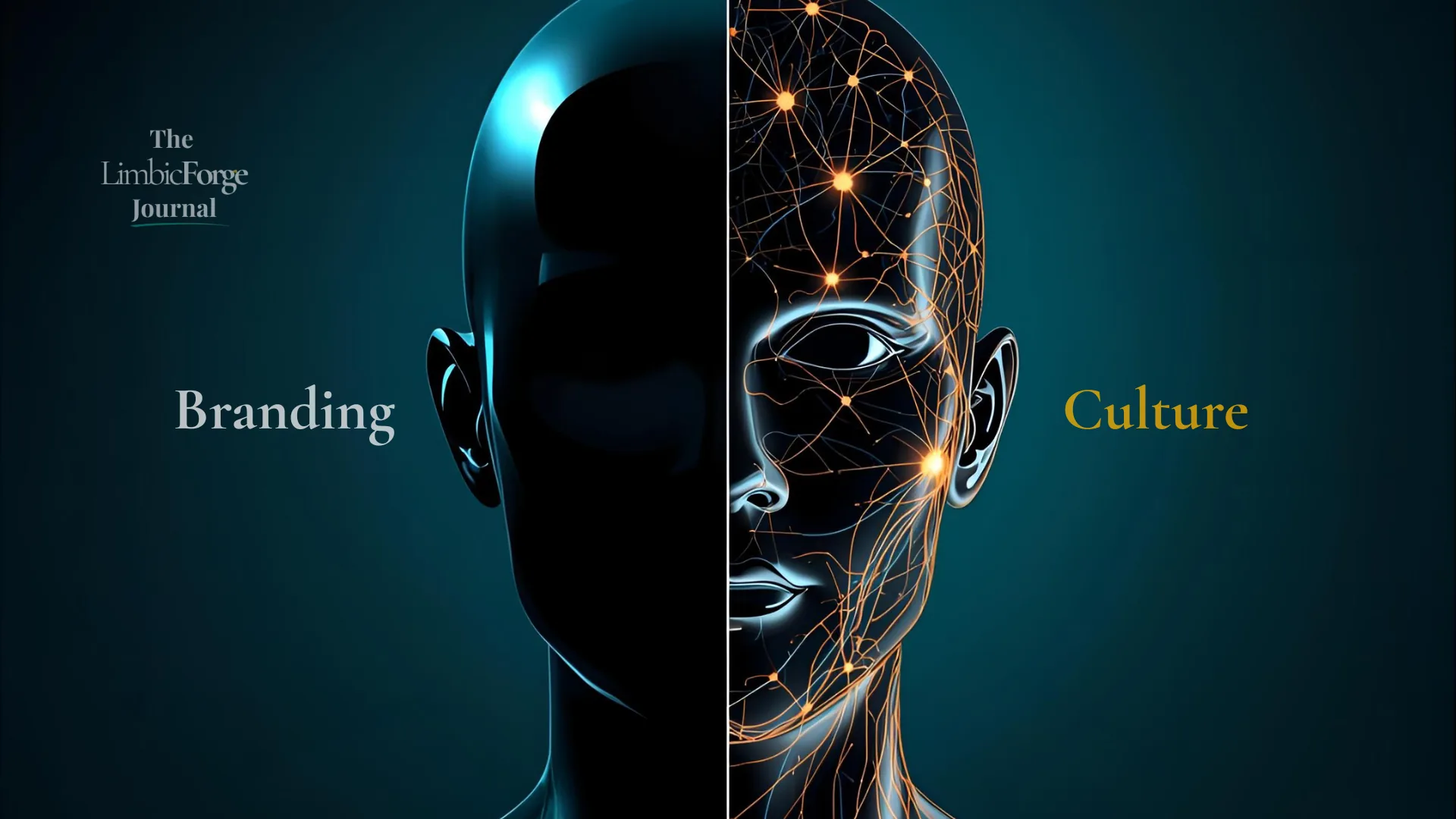
Logos impress the eye. Belonging imprints the memory.
Hotels gave us polished rooms and perfect service, but you were still just a guest, a transaction in motion. Airbnb flipped the question. It wasn't asking: "Where will you sleep?" It was asking: "Where will you belong?"
That subtle shift tapped into the Belonging Bias, the limbic brain's instinct to store the spaces and people that make us feel safe, seen, and recognised. Neuroscience shows that the hippocampus encodes experiences tagged as safe, while the amygdala filters out what feels pressured or cold. Logos impress the eye, but belonging imprints the memory. And when culture-led branding delivers that belonging again and again, trust doesn't just appear, it compounds.

Branding vs. Culture: Why Branding Alone Fails to Build Trust
Branding is what you show. Culture is what they feel. One is seen. The other is remembered.
Many brands confuse branding with culture, mistaking polish for depth. They sharpen logos, tighten taglines, and flood channels with campaigns, believing performance is what makes a brand real.
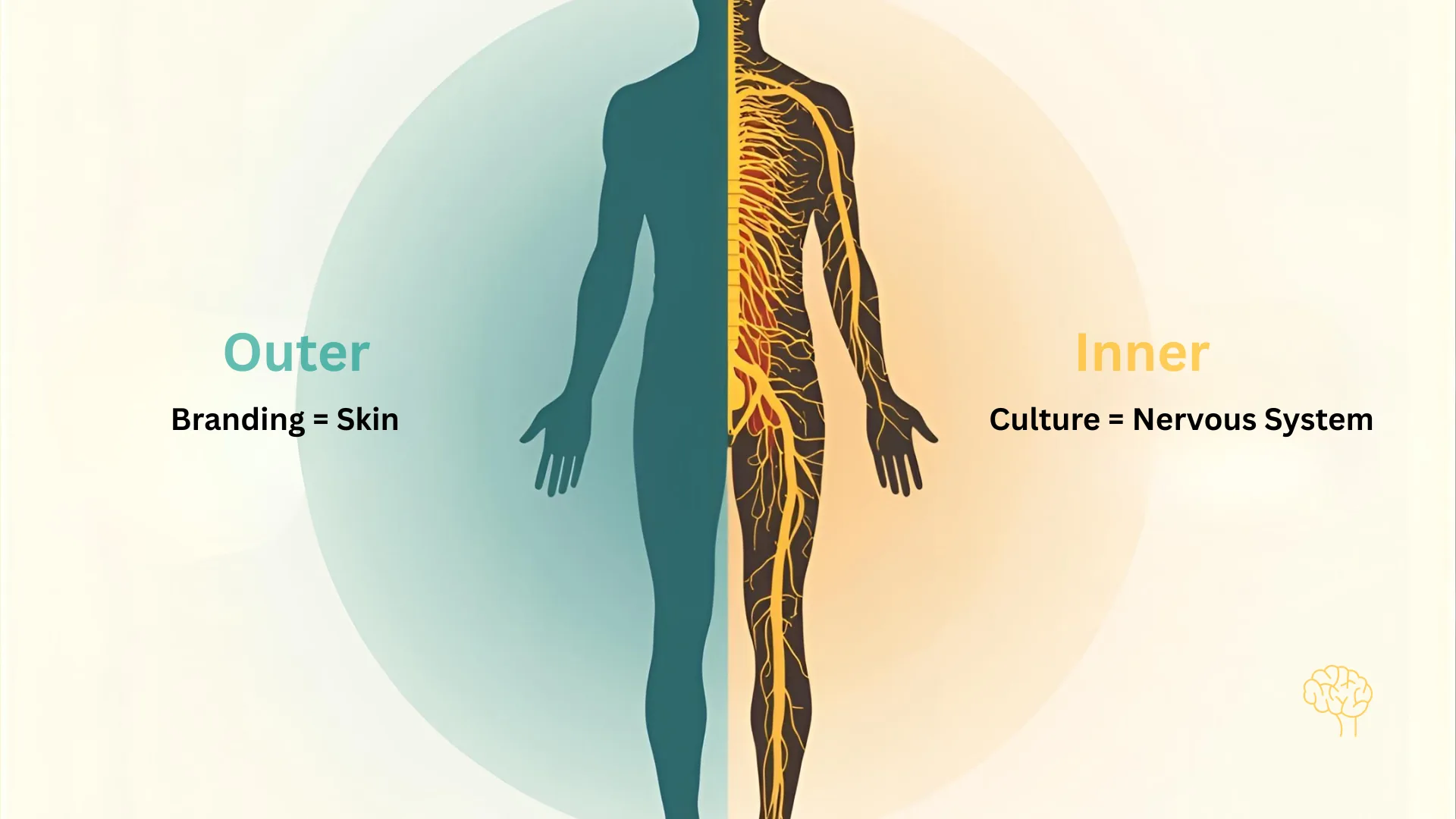
But branding is only skin-deep. It's the surface layer: the visuals, the slogans, the campaigns. Important, yes, but it can't carry trust alone. Culture runs deeper. It's the hidden system, the nervous system of your brand. It governs how decisions are made, how employees behave when no one is watching, and how customers feel in every interaction.
- Branding = what you say about yourself
- Culture = what people experience when you're not speaking
From a neuroscience lens, culture always has the edge. The limbic brain ignores flashes of novelty. It remembers what feels consistent, safe, and familiar. That's why culture, not branding, is what builds trust and anchors memory.
The Limbic Rule: How Culture Encodes Brand Memory
The brain has a simple rule: it remembers what feels safe. Neuroscientists call this process memory encoding. When an experience generates emotional safety, the brain stores it for recall. Two key systems drive this:
- Hippocampus → holds experiences that feel consistent and safe
- Amygdala → tags them as threat, novelty, or trust
Think of air travel. Almost every airline plays the same safety video. Yet studies show passengers recall more when the instructions are delivered calmly, with human warmth, rather than rushed or robotic. Why? Because safety signals open the brain's memory gate. Stress, on the other hand, pushes the brain into survival mode, filtering information out instead of locking it in.
The same rule applies to brands. When your culture consistently sends safety signals, people's brains classify you as safe to return to. That's how trust gets encoded into memory. That's how brands shift from being noticed occasionally to being remembered every day.
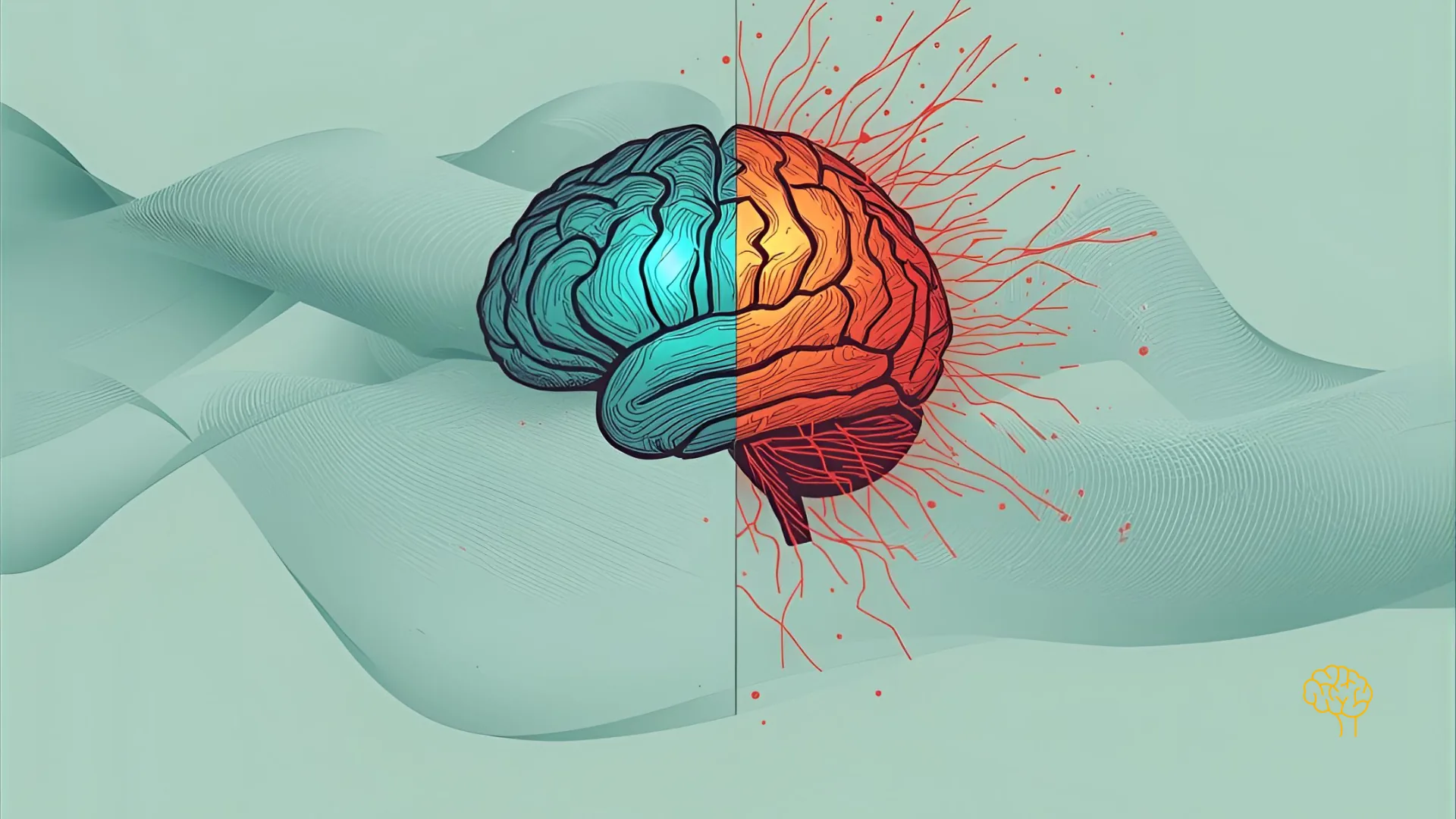
Behaviours Over Slogans: What People Really Recall
Culture isn't written in a brand manual. It's lived in the behaviours people actually see.
- A transparent price when competitors hide fees
- A support team that listens instead of rushing
- A design choice that reflects the values you claim
These small, repeated actions encode safety because they stay consistent. And the brain notices consistency. From a neuro-branding perspective, the limbic system doesn't store slogans, it stores emotions.
Taglines fade. But the way you made me feel stays locked in memory.
This is why brand culture functions as a nervous system that encodes trust into memory, not through what brands claim, but through how consistently they behave when no one is watching.
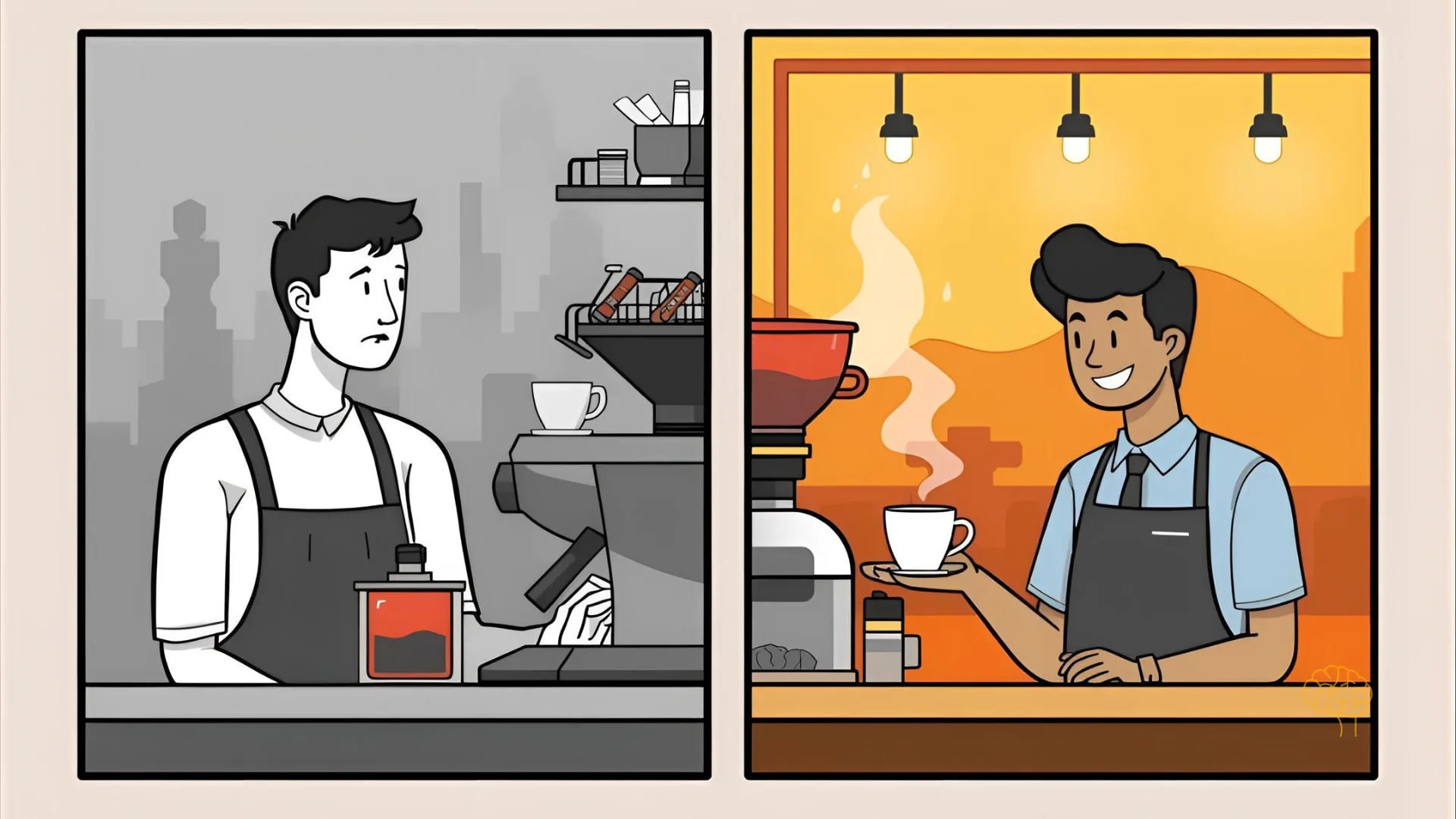
Micro-Story: The Coffee Shop That Stays
The first café runs campaigns about "quality beans." Nice branding, but the service is inconsistent. Some days the barista smiles, other days they barely make eye contact. Sometimes the coffee is hot, other times lukewarm. Your brain quietly files the shop under unreliable. And like all unreliable signals, it fades from memory.
The second runs no flashy campaigns. But every visit feels the same. The staff greets you with steady warmth. The coffee tastes identical each time. Your name is remembered. These micro-consistencies act like rituals, releasing oxytocin, the bonding chemical, and building a loop of safety and trust.
Soon, your limbic brain encodes the shop as safe, predictable, mine.
Here's the neuroscience truth: dopamine may pull you in once with novelty or hype, but oxytocin is what keeps you returning. Culture, not campaigns, is what turns a transaction into a relationship that lasts.
Culture Moves That Scale Trust
If culture encodes trust, how do founders make it visible and real?
1. Ritualise Values. Patagonia doesn't just say it cares about the environment, it closes stores during climate protests. Rituals turn values into visible actions. And when repeated, they anchor deep into memory.
2. Encode Emotions in Routines. Every detail matters: the tone of an email, the design of packaging, the way a service call feels. Each touchpoint sends an emotional signal. Neuroscience shows repetition encodes safety, and safety is exactly what the hippocampus locks into long-term memory.
3. Align Stories Across People. When employees and customers echo the same story, the brain perceives coherence. Mirror neuron research shows we bond more deeply when narratives align. Shared stories reduce dissonance, create belonging, and make a culture feel real.
These aren't campaigns. They're cultural behaviours. And over time, they compound into the most valuable equity a brand can own: trust encoded in memory.
Culture as Strategic Capital
Too many founders treat culture as decoration, something to polish once they've scaled. But neuroscience reframes culture as strategic capital: the unseen compound interest of emotion.
Every repetition, every consistent behaviour, is another deposit of trust inside the brain's memory system. Just as financial capital grows through interest, culture grows through repetition.
- Every consistent behaviour is a deposit in the customer's memory
- Over time, those deposits create real wealth: trust, loyalty, advocacy
Culture is the unseen compound interest of emotion. This is the core of neuro-branding. It doesn't see culture as soft power. It treats culture as the operating system of brand trust. Campaigns may deliver spikes of attention, but culture builds the reserves. And when markets turn uncertain, it's those reserves, not the spikes, that keep a brand alive.
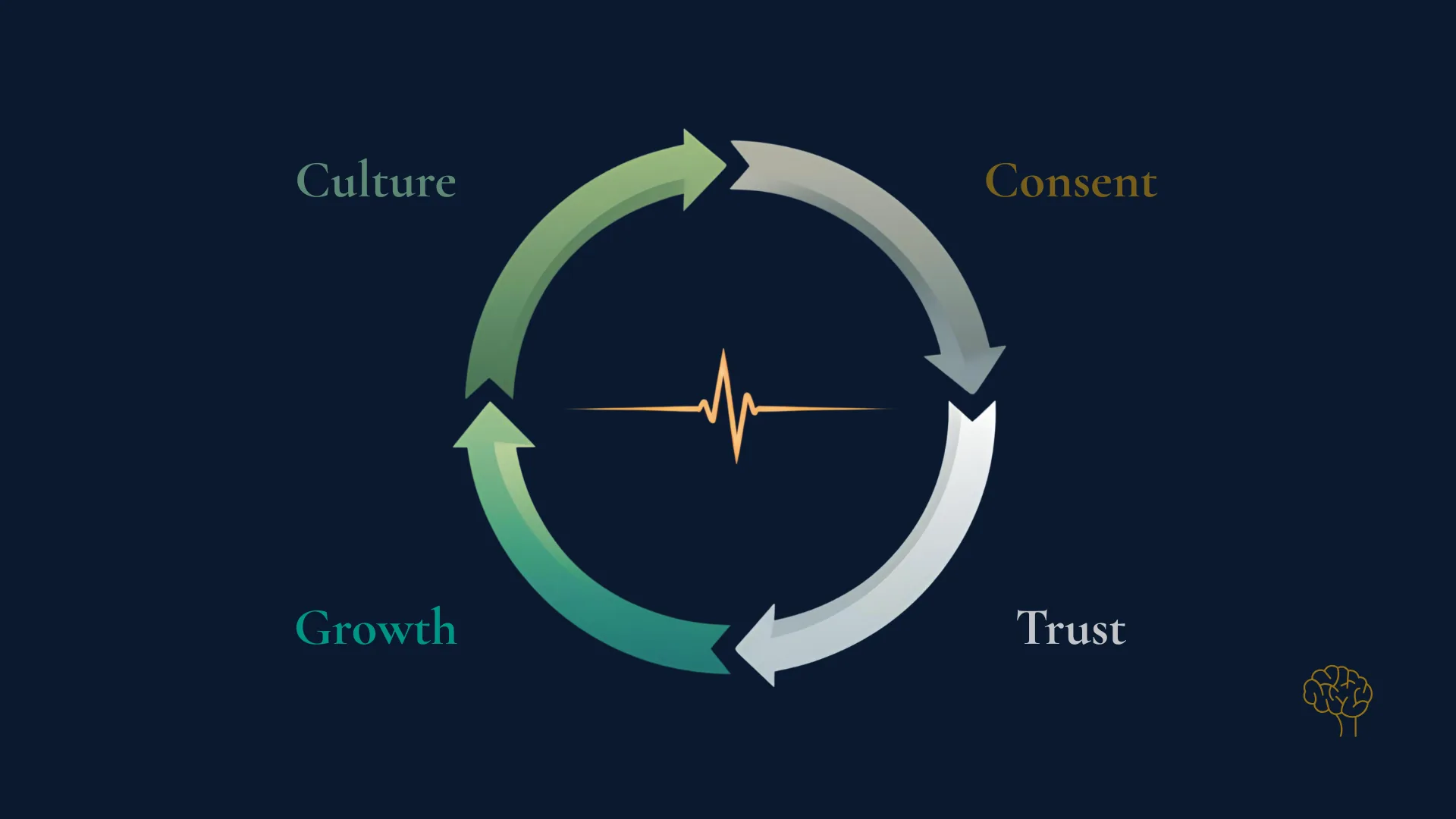
Consent-Based Attention™: The Ethical Bridge
Traditional marketing steals attention with pop-ups, false urgency, and dopamine tricks. But stolen attention never lasts. The brain filters it out as noise, leaving no trust, no memory.
Consent-Based Attention™ flips the script. Instead of hijacking focus, it builds environments where people choose to engage. And culture is the soil that makes that choice feel safe.
- Culture sets the tone
- Consent invites attention
- Trust closes the loop
Together, culture + consent + trust form a living cycle. Not the echo of a shout, but the resonance of a song, the rhythm people carry with them for years.
This is where neuro-branding proves its ethics: not hacking the brain, but harmonising with it. Not manipulation, but resonance. Not tricks, but trust.
The Metrics That Matter
Marketers still celebrate clicks, impressions, and "engagement rates." But neuroscience shows these are surface signals, noticed in the moment, forgotten in minutes.
Culture-led brands focus on a different set of signals:
- Saves → evidence of memory encoding. When someone saves your content, their brain is signalling: this matters to me later.
- Referrals → evidence of trust loops. Recommending you means embedding your brand into someone else's story.
- Retention → evidence of cultural resonance. People don't stay for discounts; they stay because they feel safe inside your rhythm.
That's the difference: vanity metrics only prove you were noticed. Culture metrics prove you were remembered. And in the economy of trust, memory always outperforms visibility.
A Reflection
In the age of noise, memory is the only strategy that lasts. The hippocampus locks in safe experiences, while the amygdala filters out the ones that felt cold or forced.
Ask yourself: does your brand live culture or just run campaigns? Are people leaning in because they feel safe, or pulling back because they feel pressured?
Because in the end, logos fade and ads expire. But culture doesn't. Culture lives in memory. And memory is the only metric that compounds.
At LimbicForge, this is what we forge: brands that move with rhythm, not pressure. Brands that feel less like noise and more like signals people choose to remember.
For a deeper look at how trust encodes neurologically, read Trust Forms in Three Layers. When you are ready to map where your brand's culture and communication diverge, the Forge Foundation™ is where that work begins.
Published by The LimbicForge Journal.
Take the next step
If this resonates, the Brand Nervous System Audit™ is a free 7-minute diagnostic that will show you exactly where your brand sits on the consent spectrum.
Begin the Audit