Step into two lobbies.
In the first, screens flash slogans, the logo gleams, and the reception feels staged, like a showroom built for optics. But listen closer: employees sound guarded, customers are treated like transactions, and the air feels cold.
In the second, the décor is simple. No flashy posters. Yet every person you meet echoes the same warmth. The receptionist's story matches the founder's. Even before you see the product, you feel it: trust.
That invisible difference? Culture.
The Trap: When Brands Chase Visibility but Forget Culture
Too many brands pour energy into campaigns like fireworks, bright, loud, and short-lived. They spark attention, but they don't stick.
Neuroscience explains why. The brain doesn't encode every flash of novelty. It remembers what feels familiar, consistent, and emotionally safe. Campaigns without culture fade into static.
Without culture, brands fracture. Employees don't embody it. Customers don't trust it. And no matter how expensive, campaigns collapse into forgettable impressions.
Brand Culture as a Nervous System
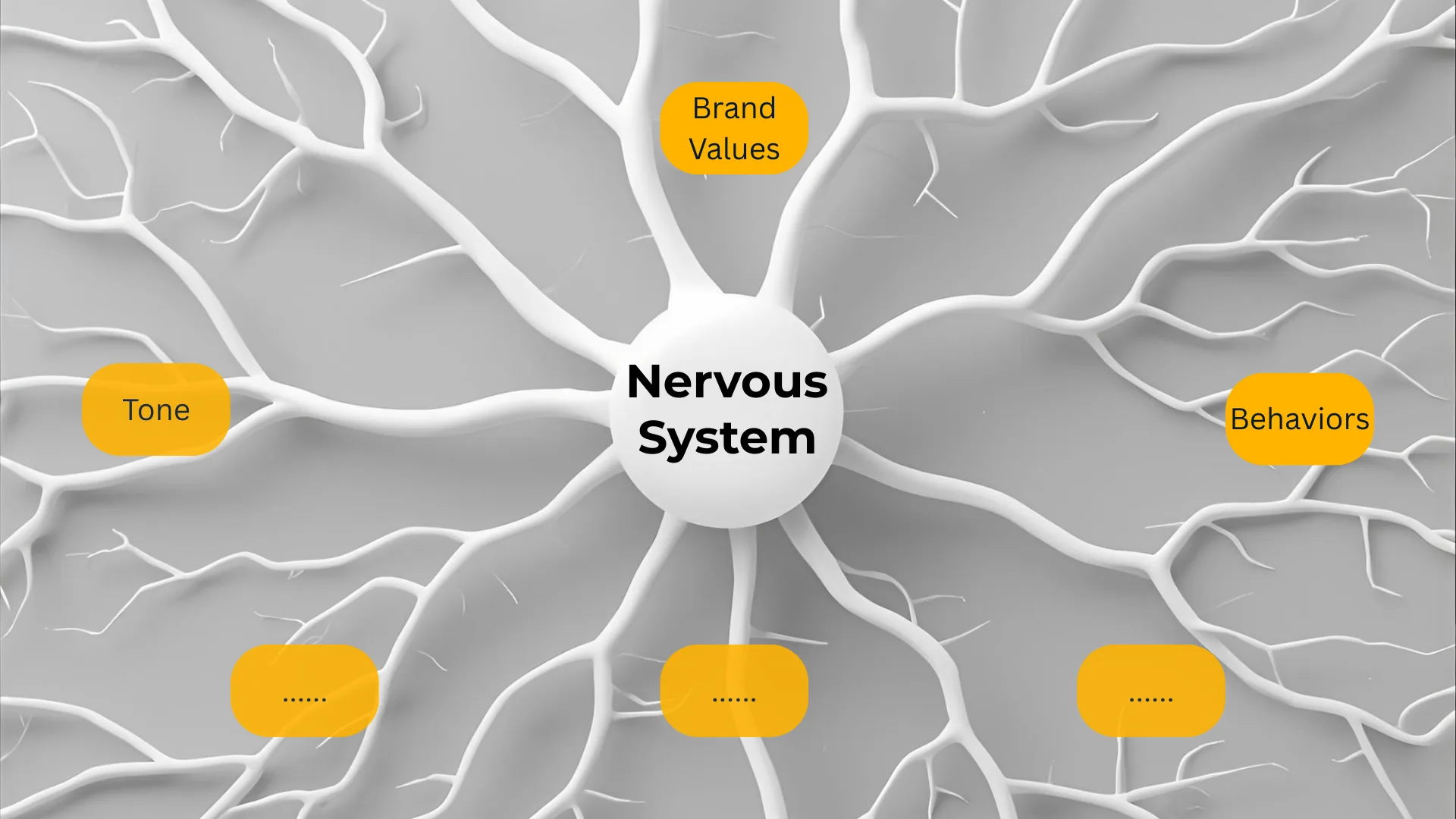
Culture is the nervous system of a brand:
- It sends signals through values and tone
- It regulates actions when no one is watching
- It encodes memories that customers carry long after
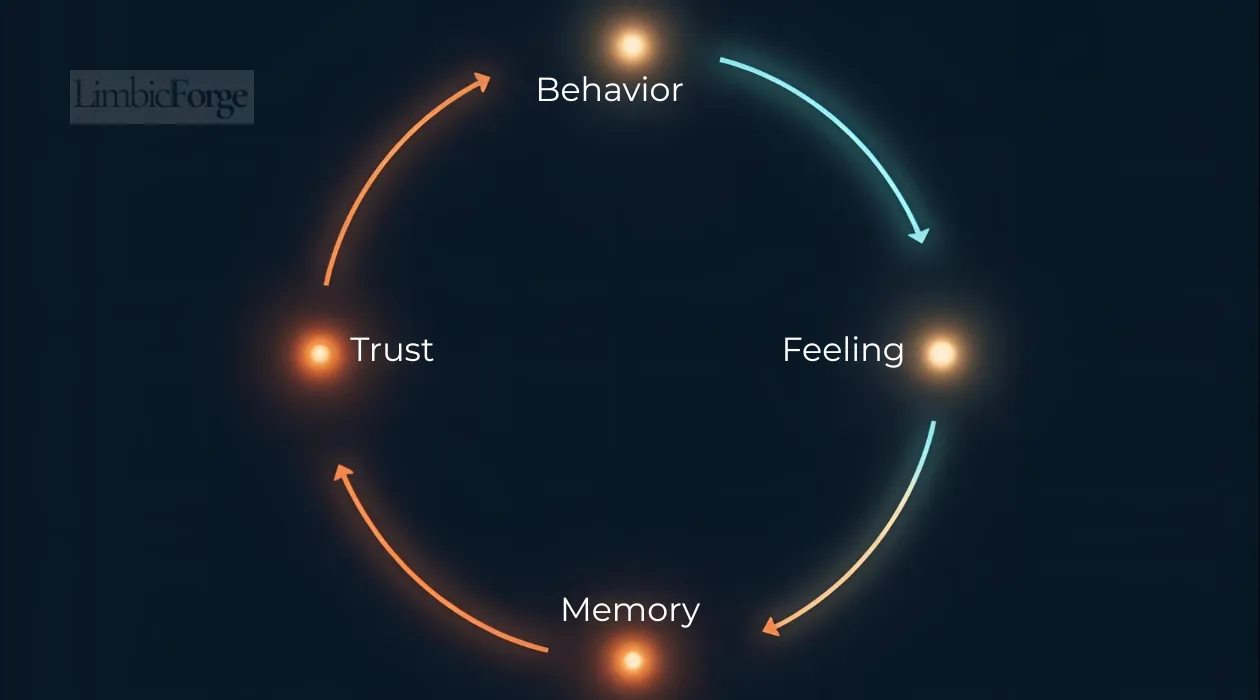
This is how brand trust loops form. A safe experience sparks positive memory → recall → loyalty.
Think of a restaurant: you remember how you were welcomed at the door and how you were treated at the end more than the menu itself. That's primacy and recency. Culture ensures both ends carry one signal: trust.
Case Study: Culture in Action
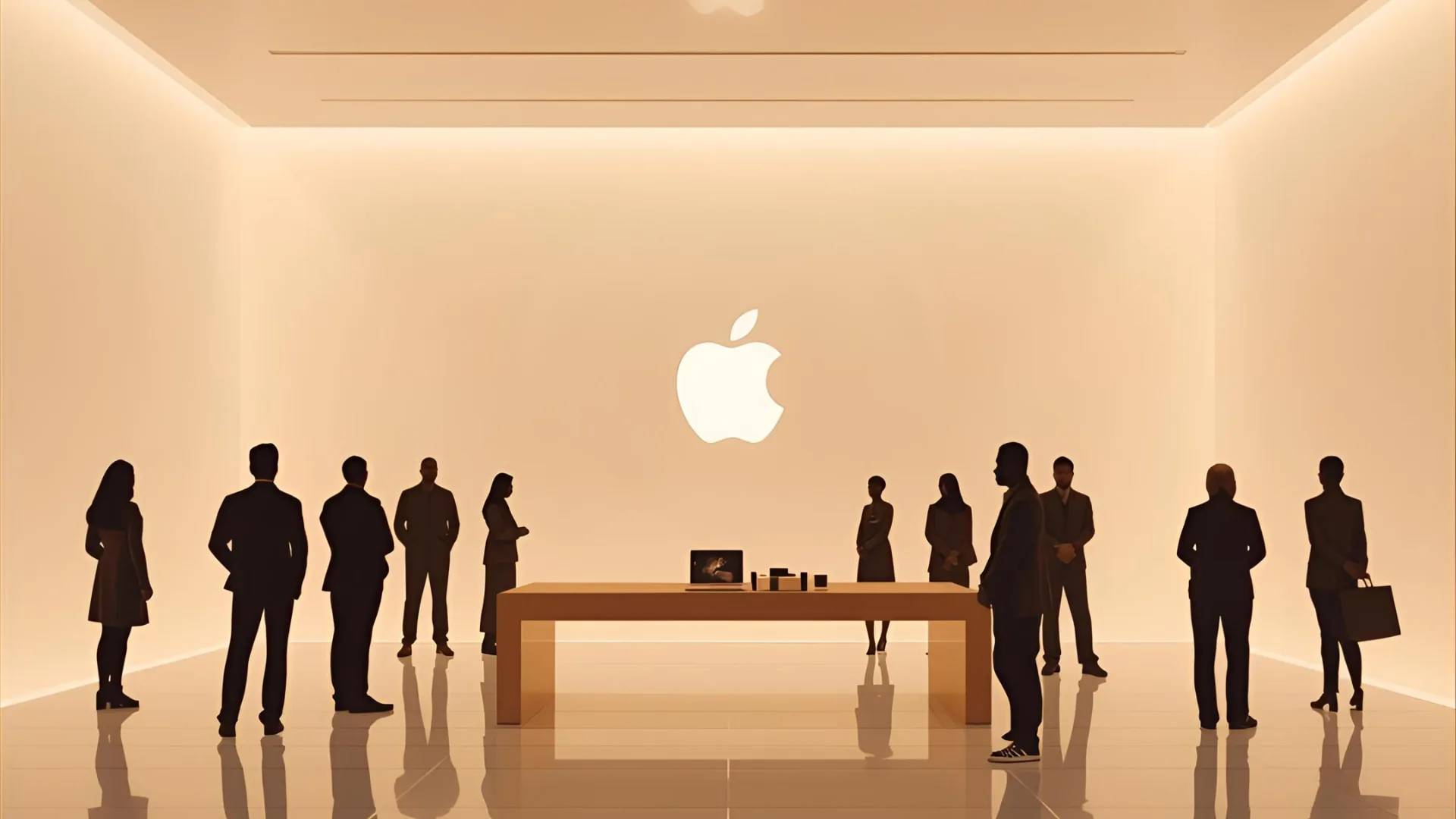
Consider Apple. For decades, its design culture has been relentless in one principle: simplicity with integrity. That's why people can walk into an Apple store anywhere in the world and feel the same rhythm, open spaces, clean lines, staff who invite rather than push.
Neuroscience explains the effect: coherence signals safety. The limbic brain encodes that safety, which becomes trust.
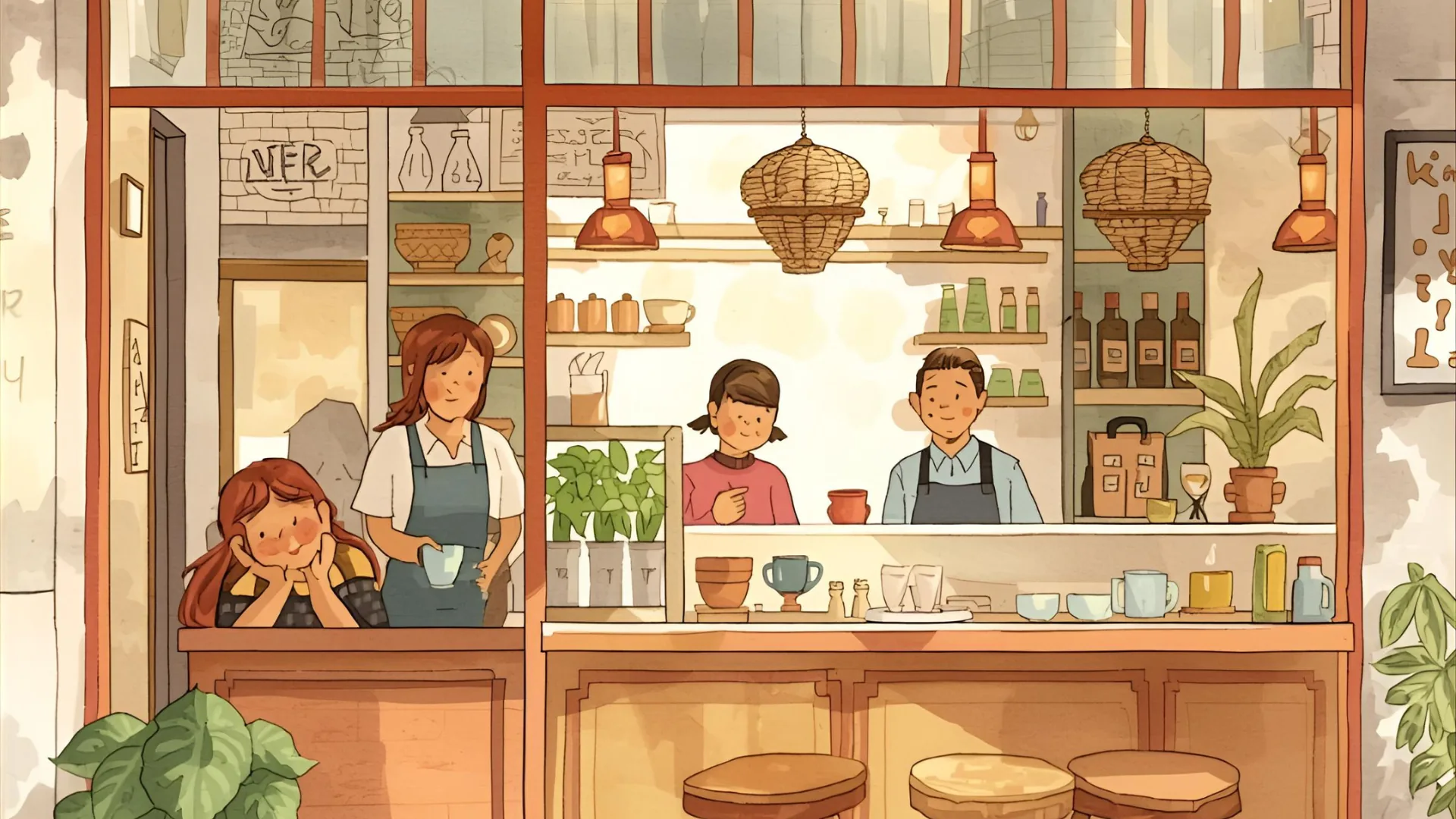
Now look closer to home. In Dhaka, a family-run café keeps no glossy ads but has regulars who return daily. Why? Because the founder's warmth is mirrored in staff behaviour, from how they greet to how they handle mistakes. Customers don't just buy coffee; they recall the feeling of being cared for. That is culture turning transactions into emotional memory.
The Founder's Dilemma
Many founders confuse campaigns with culture. They pour budget into logos, ads, and "big launches", hoping visibility equals trust.
But here's the trap: a startup can spend thousands on a viral ad, yet if employees feel ignored or customers sense pressure, the nervous system of the brand is broken. Campaigns become surface paint on a hollow structure.
Culture, by contrast, costs less but compounds more. A founder who takes time to align values with daily behaviour, from how emails are answered to how pricing is explained, builds a nervous system that scales trust.
How Culture Shows Up
Culture isn't a poster on the wall. It's lived rhythm:
- If you claim transparency, it shows in pricing and service
- If you value warmth, customers must feel it in every touchpoint
- If you stand for boldness, it lives in your product decisions
The limbic brain doesn't store slogans. It stores feelings. People may forget your tagline, but they'll remember if you made them feel respected or pressured.
"Customers may forget your tagline, but they'll remember how you made them feel."
What the Brain Actually Stores
The hippocampus encodes memory, but it listens to the limbic system's emotional signals to decide what's worth keeping. That's why you remember a kind smile from a cashier more vividly than the tagline printed on the wall. Safety and respect are survival cues, and the brain tags them for recall.
This is why culture beats campaigns. Campaigns may trigger novelty. Culture delivers safety. And what feels safe is what the brain remembers.
Why This Matters Now
Audiences have been burned. Years of dopamine-driven tricks and empty promises have trained their nervous systems to resist. Scepticism isn't a fad, it's self-defence. What people want now is simple: trust over tricks. The annual Edelman Trust Barometer consistently shows that trust in brands is declining across markets, while demand for behavioural consistency and emotional honesty continues to grow.
Brands that rely only on campaigns are struggling. Those rooted in culture, consistent, authentic, and emotionally safe, are thriving.
For founders, the choice is clear: build culture early. In today's noise, culture isn't decoration. It's survival.
Consent-Based Attention™: The Ethical Bridge
Most attention today is stolen through pop-ups and manipulative hooks. But stolen attention vanishes. The brain filters it out.
Consent-Based Attention™ flips this. It creates spaces where people choose to lean in. Culture is the soil that makes it work:
- Culture sets the tone
- Consent invites attention
- Trust reinforces loyalty
Together, culture + consent + trust form not fireworks, but rhythm, a cycle that sustains growth.
Culture in Action: A Practical Checklist
Here's how to know if culture is alive in your brand:
✅ Your team can describe the brand in the same words you do.
✅ Customers feel the same values in service as they see in marketing.
✅ Decisions under pressure still align with your stated principles.
✅ Mistakes are handled with transparency and respect.
✅ Growth feels steady, not frantic, rhythm, not noise.
If you can tick these boxes, your culture is signalling safety, and your brand is wiring itself into memory.
What Culture Delivers
A brand with culture doesn't just attract. It endures.
Think of Apple's design integrity. Patagonia's activism. Or a small local shop where the founder's values echo in every detail. These brands live culture daily. That's why they're remembered.
When culture fuses with Consent-Based Attention™, you don't just get attention. You sustain it. You don't just create impressions. You create resonance.
A Reflection
In the end, people don't carry your campaign. They carry the feeling your culture leaves behind.
Ask yourself: does your brand have culture, or just campaigns? Are people leaning in because they feel safe, or pulling back because they feel pressured?
At LimbicForge, this is what we forge: brands that move with rhythm, not pressure. Signals, not noise.
This article is a companion to Brand Culture and Memory, which explores how culture encodes trust into the brain's memory system. When you are ready to diagnose where your brand's culture and signal diverge, the Neural Clarity Sprint™ is where that work begins.
Published by The LimbicForge Journal.
Take the next step
If this resonates, the Brand Nervous System Audit™ is a free 7-minute diagnostic that will show you exactly where your brand sits on the consent spectrum.
Begin the Audit